We may earn a commission when you buy through our links, at no extra cost to you. As an Amazon Associate we earn from qualifying purchases. How we make money
At a Glance
- Foods with collagen Tough cuts of meat, fish skin and bones, gelatin and bone broth1.
- Foods that help you make it Protein foods plus vitamin C and zinc sources such as citrus, berries, peppers, shellfish and legumes13.
- Bone broth varies Its collagen building blocks were lower and less consistent than a 20 g supplement dose2.
- Eating collagen isn’t a shortcut Your body breaks it into amino acids and uses them wherever protein is needed1.
- Top pick NAKED Collagen – the #1 pick in our guide to the best collagen powder: one ingredient, bovine collagen peptides, with the NSF Contents Certified mark.
The Short Answer: In food, collagen is found only in animal products with connective tissue, such as pot roast, brisket, fish skin and bones, gelatin and bone broth1. Your body also makes its own collagen from the protein you eat, with help from vitamin C13.
On this page
Eating collagen-rich foods won’t send collagen straight to your skin; it’s digested into amino acids first1. For most people, a balanced diet with enough protein, fruits and vegetables is the practical goal. If you want a measured dose like those used in trials, a collagen peptide powder is more consistent than bone broth2. For the basics, see our guide to collagen peptides.
Collagen-Rich Foods and Foods That Help You Make Collagen
| Food | What it provides | Good to know |
|---|---|---|
| Tough cuts of meat (pot roast, brisket, chuck steak) | Collagen from connective tissue1 | Common in slow-cooked dishes |
| Fish skin and bones | Collagen1 | Not suitable with a fish allergy |
| Gelatin | A form of collagen made by boiling bones, cartilage and skin1 | Used in desserts and gummies |
| Bone broth | 5 to 10 g of protein per cup, from gelatin1 | Amino acid content varies by recipe2 |
| Fish, poultry, meat, eggs, dairy, legumes, soy | Protein with glycine and proline, the amino acids in collagen1 | Supports your body’s own collagen production |
| Citrus, berries, bell peppers, tomatoes, kiwi, broccoli | Vitamin C, which your body needs to make collagen3 | No collagen itself; plant foods support production |
| Shellfish, legumes, meat, nuts, seeds, whole grains | Zinc1 | Supports collagen production |
Which Foods Contain Collagen?
Collagen is found naturally only in animal flesh that contains connective tissue1. That includes tough cuts of meat like pot roast, brisket and chuck steak, plus the bones and skin of fish1. Gelatin is a form of collagen made by boiling animal bones, cartilage and skin for several hours1.
Plant foods don’t contain collagen. They can still help your body make it, which is the next section. If you don’t eat animal products, see our guide to vegan collagen.
Foods That Help Your Body Make Collagen
Your body builds collagen from amino acids, mainly glycine, proline and hydroxyproline, which come from the protein you eat1. Protein foods such as fish, poultry, meat, eggs, dairy, legumes and soy supply these building blocks1.
Two nutrients stand out:
- Vitamin C: Your body needs vitamin C to make collagen3, and skin naturally contains high levels of it4. Good sources include citrus fruits, bell peppers, strawberries, kiwi, tomatoes and broccoli3. Adults need 75 mg (women) to 90 mg (men) a day3.
- Zinc: Found in shellfish, legumes, meats, nuts, seeds and whole grains1.
In a large survey of 4,025 American women aged 40 to 74, those with higher vitamin C intakes were less likely to have a wrinkled appearance or dry skin5. That was an observational study, so it shows a link, not cause and effect.
Is Bone Broth a Good Source of Collagen?
Bone broth is often promoted as rich in collagen, but its nutrition varies. It provides about 5 to 10 g of protein per cup from gelatin, and only small amounts of minerals from the bones1.
A 2019 study analyzed homemade, café and store-bought bone broths. Broth made to a standard recipe had significantly lower levels of key collagen amino acids, such as hydroxyproline, glycine and proline, than a 20 g dose of collagen supplements used in research2. Broths made without a set recipe varied widely, and store-bought broths were lower than homemade ones2. The authors concluded bone broth is unlikely to be a reliable source of collagen building blocks2.
Does Eating Collagen Help Your Skin and Joints?
Not directly. Collagen you eat is broken down into amino acids, which your body uses wherever it most needs protein1. Some of it is absorbed as small collagen peptides: in a 2024 study, collagen supplements from fish, pigs and cows all raised blood levels of collagen peptides7.
Whether this helps skin is still debated. A 2025 review of 23 trials found collagen supplements improved skin in company-funded and lower-quality studies, but not in independently funded or high-quality trials8. Separately, one small study found 15 g of vitamin C-enriched gelatin taken before exercise doubled a marker of collagen production in 8 men6. For a full look at the evidence, see our guide to collagen benefits.
Food vs Collagen Supplements
- Food: Gives you collagen and other nutrients, but the amount is hard to measure, especially in bone broth12.
- Supplements: Give a set dose of collagen peptides, like the 2.5 to 15 g a day used in trials9.
- Neither is a complete protein source on its own: Collagen lacks the essential amino acid tryptophan, so it shouldn’t replace other protein in your diet9.
If you choose a supplement, check the label and the source, especially if you have a fish allergy. For side effects and who should avoid collagen, see our guide to collagen side effects. To compare sources, see marine vs bovine collagen.
Our Top Collagen Pick
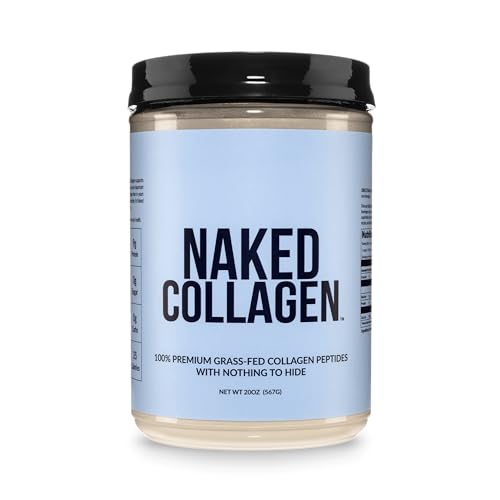
1 ingredientNSF Contents Certified9.5 g per serving
The #1 pick in our guide to the best collagen powder. It lists only bovine collagen peptides and carries the NSF Contents Certified mark, so you get a measured dose that bone broth can’t reliably match.
Final Verdict
Collagen-rich foods include tough cuts of meat, fish skin and bones, gelatin and bone broth1. Just as important are the foods that help your body make its own collagen: protein foods, plus fruits and vegetables rich in vitamin C13. Eating collagen doesn’t go straight to your skin, and bone broth is an unreliable source12.
If you want a consistent, measured dose, consider NAKED Collagen, a single-ingredient bovine collagen powder with the NSF Contents Certified mark. Compare all picks in our guide to the best collagen powder.
Important: This guide is for general information and isn’t medical advice. Talk to your doctor or a dietitian before making big changes to your diet, especially if you have a food allergy, kidney disease or another health condition.
Frequently Asked Questions
What foods are high in collagen?
Tough cuts of meat like pot roast, brisket and chuck steak, fish skin and bones, gelatin and bone broth1.
What foods help your body make collagen?
Do any plant foods contain collagen?
Is bone broth high in collagen?
Is it better to get collagen from food or supplements?
Does vitamin C help collagen?
Does gelatin have collagen?
Yes. Gelatin is a form of collagen made by boiling animal bones, cartilage and skin1.
Sources & History
References
- Collagen — The Nutrition Source, Harvard T.H. Chan School of Public Health
- Bone Broth Unlikely to Provide Reliable Concentrations of Collagen Precursors Compared With Supplemental Sources of Collagen Used in Collagen Research — International Journal of Sport Nutrition and Exercise Metabolism, 2019
- Vitamin C — The Nutrition Source, Harvard T.H. Chan School of Public Health
- The Roles of Vitamin C in Skin Health — Nutrients, 2017
- Dietary Nutrient Intakes and Skin-Aging Appearance Among Middle-Aged American Women — American Journal of Clinical Nutrition, 2007
- Vitamin C-Enriched Gelatin Supplementation Before Intermittent Activity Augments Collagen Synthesis — American Journal of Clinical Nutrition, 2017
- Absorption of Bioactive Peptides Following Collagen Hydrolysate Intake: A Randomized, Double-Blind Crossover Study in Healthy Individuals — Frontiers in Nutrition, 2024
- Effects of Collagen Supplements on Skin Aging: A Systematic Review and Meta-Analysis of Randomized Controlled Trials — American Journal of Medicine, 2025
- Significant Amounts of Functional Collagen Peptides Can Be Incorporated in the Diet While Maintaining Indispensable Amino Acid Balance — Nutrients, 2019
Update history
- New guide on collagen-rich foods covering which foods contain collagen, foods and nutrients that help your body make it (protein, vitamin C, zinc), bone broth, whether eating collagen reaches your skin, and food vs supplements.