We may earn a commission when you buy through our links, at no extra cost to you. As an Amazon Associate we earn from qualifying purchases. How we make money
At a Glance
- Short answer There’s no good evidence that lymphatic drainage drops improve lymph flow. We found no clinical trials of the usual drop herbs, such as cleavers and red root, in people.
- What has some evidence Horse chestnut and flavonoids such as diosmin can reduce leg swelling from weak veins, a different problem from poor lymph drainage12.
- What failed in lymphedema Coumarin, an oral supplement tested in a large lymphedema trial, worked no better than placebo3.
- Why some people feel less puffy Some herbs, such as dandelion, act as mild diuretics, so you lose water rather than “drain” lymph4.
- Best drops for most people Wild & Organic Cleavers Drops – one herb at a stated dose, alcohol-free and USDA Organic, though cleavers hasn’t been tested in people.
The Short Answer: Lymphatic drainage drops probably don’t do what their labels suggest. Most are herbal tinctures made with cleavers, red root, echinacea and similar herbs, and we found no human trials showing that these herbs improve lymph flow or reduce swelling.
On this page
A few supplements sold alongside drops have better evidence, but for a different problem. Horse chestnut seed extract and flavonoids like diosmin reduce leg swelling caused by weak veins (chronic venous insufficiency)12. For true lymphedema, the treatments that work are compression, exercise, skin care and specialized massage, not supplements8.
Want to compare products? Our guide to the best lymphatic drainage supplements compares 7 drops and capsules by ingredient, dose and evidence.
Common Ingredients and the Evidence
| Ingredient | What the research shows | Evidence |
|---|---|---|
| Cleavers (Galium aparine) | Only lab and cell studies; no human trials found | None in people |
| Red root (Ceanothus) | No human trials found | None in people |
| Echinacea | Studied for colds, not lymph flow; possible allergic reactions and drug interactions6 | Not tested for lymph |
| Goldenseal | Not enough evidence for any health condition; may change how the body processes many medications5 | Not tested for lymph |
| Dandelion | Increased how often people urinated in a 1-day study of 17 volunteers4 | Diuretic, not lymphatic |
| Horse chestnut seed extract | Reduced leg pain and leg volume in people with weak leg veins1 | Cochrane review, short-term |
| Diosmin and other vein flavonoids | Probably reduce lower-leg swelling slightly in people with weak leg veins2 | Cochrane review, moderate certainty |
| Coumarin (benzopyrone) | No effect on arm lymphedema; liver toxicity in 6%3 | One large trial |
The pattern is clear: the herbs found in most drops haven’t been tested in people, while the ingredients with real evidence work on veins, not on the lymphatic system.
Drops vs Capsules: Why the Form Matters Less Than the Ingredient
Many “lymphatic drainage” products are liquid tinctures, while horse chestnut and diosmin usually come as capsules. The evidence follows the ingredient, not the form:
- Drops usually combine several herbs, often without a stated dose for each one. That makes it hard to compare them with any research.
- Capsules of horse chestnut or diosmin match the ingredients studied in trials more closely12.
If your main problem is heavy, swollen legs at the end of the day, a vein-focused supplement has better evidence than a lymphatic tincture. Talk to your doctor first, since leg swelling can have many causes.
Why Some People Feel Less Puffy
Reviews of lymphatic drops often mention less puffiness. A few explanations fit the evidence better than “lymph drainage”:
- Mild diuretic effect: dandelion increased how often people urinated in a small study4, which means losing water, not draining lymph.
- Placebo effect: in the coumarin trial, 10% of women said the placebo helped a moderate or large amount3.
- Other changes made at the same time: walking more or raising your legs can help on their own, as covered in our guide to how to improve lymphatic drainage naturally.
Our Top Lymphatic Drops Pick
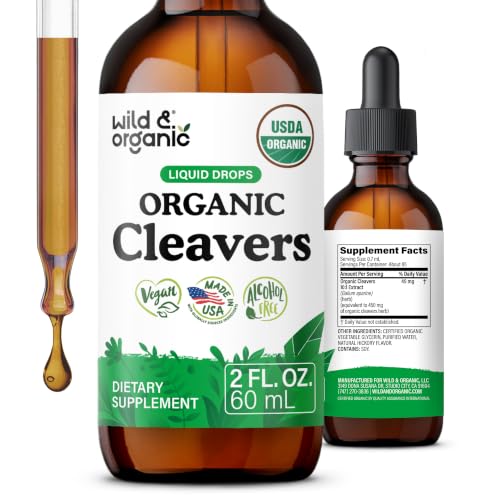
450 mg herb per servingAlcohol-freeUSDA Organic
If you still want to try lymphatic drops, a single herb at a stated dose makes it easier to judge whether it helps and to spot a reaction. This is the #1 pick in our guide to the best lymphatic drainage supplements. Keep in mind that cleavers hasn’t been tested in clinical trials, and the label lists soy.
Who Should Avoid Lymphatic Drops
- People with lymphoma or on cancer treatment: ask your cancer team first. See our guide to lymphatic drainage drops and lymphoma.
- People taking regular medicines: goldenseal may change how the body processes many medications5, and echinacea may interact with some drugs6.
- Pregnant or breastfeeding women: goldenseal shouldn’t be used5.
- People prone to allergies: echinacea can cause allergic reactions, which may be severe6.
- Anyone with new or one-sided swelling: see a doctor before trying a supplement7.
What Actually Helps Lymphedema
For diagnosed lymphedema, the NHS recommends decongestive lymphatic therapy: compression, skin care, exercise and specialized massage, followed by a maintenance phase with self-massage8. Our guide to lymphatic drainage massage explains what the evidence shows for that part of treatment.
Final Verdict
Lymphatic drainage drops don’t have good evidence behind them. The herbs in most drops haven’t been tested in people, and coumarin, an oral supplement tested in a large lymphedema trial, didn’t work. Horse chestnut and diosmin can modestly reduce leg swelling from weak veins, but that’s a different condition.
If you still want to try drops, choose a product with a stated dose for each herb, avoid goldenseal if you take regular medicines, and stop if you notice side effects. Wild & Organic Cleavers Drops is a simple, single-herb option with a stated dose. Compare all 7 picks in our guide to the best lymphatic drainage supplements.
Important: This guide is for general information and isn’t medical advice. Swelling that’s new, in one limb only, or comes with redness, warmth or pain needs a doctor’s assessment.
Frequently Asked Questions
Do lymphatic drainage drops really work?
There’s no good evidence that they do. We found no human trials showing that the usual drop herbs, such as cleavers and red root, improve lymph flow or reduce swelling.
What are the benefits of lymphatic drainage drops?
The claimed benefits, such as less puffiness and better lymph flow, haven’t been shown in clinical trials. Some ingredients, like dandelion, have a mild diuretic effect4, which means losing water rather than draining lymph.
What’s the best supplement for swollen legs?
How long do lymphatic drainage drops take to work?
There’s no research showing how long they take, because they haven’t been tested in clinical trials. The horse chestnut trials for weak leg veins were short-term1.
Are lymphatic drainage drops safe?
Can lymphatic drops help lymphedema?
Are lymphatic drainage drops worth it?
For most people, probably not, based on the current evidence. If your goal is less leg swelling from weak veins, horse chestnut or diosmin have more research. If you have lymphedema, see a lymphedema therapist.
Sources & History
References
- Horse Chestnut Seed Extract for Chronic Venous Insufficiency — Cochrane Database of Systematic Reviews, 2012
- Phlebotonics for Venous Insufficiency — Cochrane Database of Systematic Reviews, 2020
- Lack of Effect of Coumarin in Women With Lymphedema After Treatment for Breast Cancer — New England Journal of Medicine, 1999
- The Diuretic Effect in Human Subjects of an Extract of Taraxacum officinale Folium Over a Single Day — Journal of Alternative and Complementary Medicine, 2009
- Goldenseal — National Center for Complementary and Integrative Health
- Echinacea — National Center for Complementary and Integrative Health
- Lymphoedema — NHS
- Lymphoedema: Treatment — NHS
Update history
- Published.