We may earn a commission when you buy through our links, at no extra cost to you. As an Amazon Associate we earn from qualifying purchases. How we make money
At a Glance
- What helps most Moving your body, especially walking and using your calf muscles, is the main thing that pushes lymph along1.
- For swollen legs Raising your legs, avoiding long periods of sitting or standing and gentle exercise are the first steps2.
- For lymphedema Complete decongestive therapy (manual lymphatic drainage, compression, exercise and skin care) is the standard treatment34.
- Weak or no evidence Dry brushing, gua sha, “detox” teas and lymphatic drops haven’t been shown to improve lymph flow.
- See a doctor Swelling in one leg, sudden or painful swelling, or swelling with shortness of breath needs medical care2.
The Short Answer: Your lymphatic system has no heart to pump it. Lymph moves when your muscles contract, when you breathe and when the walls of lymph vessels squeeze1. So the most reliable ways to improve lymphatic drainage are simple: move often, breathe deeply, raise swollen legs and avoid sitting or standing still for hours12. For lymphedema, a trained therapist’s manual lymphatic drainage combined with compression adds a modest extra benefit3. Supplements, dry brushing and “lymphatic detox” products have little or no evidence behind them.
On this page
- What Is Lymphatic Drainage?
- Signs of Poor Lymphatic Drainage (and What Else It Could Be)
- 9 Ways to Improve Lymphatic Drainage
- Does Lymphatic Drainage Massage Work at Home?
- Dry Brushing, Gua Sha and Face Rollers
- Do Lymphatic Drainage Supplements Help?
- “Lymphatic Detox”: Myth vs. Fact
- When to See a Doctor
- Frequently Asked Questions
- Final Verdict
What Is Lymphatic Drainage?
Your lymphatic system is a network of vessels and lymph nodes that returns extra fluid from your tissues to your bloodstream, absorbs fats from your gut and helps your immune system fight infection1. “Lymphatic drainage” simply means that fluid moving out of your tissues and back into circulation.
When drainage slows, fluid can build up and cause swelling. Mild, temporary puffiness after a salty meal, a long flight or a warm day is common and usually harmless. Lymphedema is different: it’s long-lasting swelling caused by damage to lymph vessels or nodes, most often after cancer surgery or radiation, and it needs professional care4.
Signs of Poor Lymphatic Drainage (and What Else It Could Be)
| What you notice | Common causes | See a doctor if… |
|---|---|---|
| Puffy ankles at the end of the day | Sitting or standing for long periods, heat, salty food2 | It doesn’t improve after a few days of self-care2 |
| Swelling in one leg | Blood clot, infection, injury2 | Always; get seen urgently2 |
| Swollen arm or hand after breast cancer treatment | Lymphedema4 | Always; ask for a lymphedema therapist4 |
| Puffy face in the morning | Sleep position, salt, alcohol, allergies | It comes with swelling elsewhere2 |
| Swollen lymph nodes in the neck | Colds, sore throat, dental infections6 | A node is hard, larger than about 2 cm, or lasts more than about 4 weeks6 |
| Swelling with shortness of breath | Heart or lung problems2 | Call emergency services2 |
9 Ways to Improve Lymphatic Drainage
| Method | How strong is the evidence? | Best for |
|---|---|---|
| Walking and regular exercise | Strong (how lymph physically moves)1 | Everyone |
| Deep breathing | Strong (how lymph physically moves)1 | Everyone |
| Raising swollen legs | Recommended by health services2 | Leg and ankle swelling |
| Not sitting or standing still for hours | Recommended by health services2 | Desk jobs, long flights |
| Compression garments | Part of standard care4 | Lymphedema, swollen legs |
| Manual lymphatic drainage by a therapist | Moderate (small added benefit)3 | Lymphedema |
| Strength training | Moderate (safe after breast cancer)5 | Breast cancer survivors |
| Less salt, healthy weight | Recommended by health services2 | Fluid retention |
| Skin care | Part of standard care4 | Lymphedema |
1. Walk and Move Every Day
Skeletal muscle action is one of the main forces that moves lymph1. Every step squeezes the vessels in your legs. Walking, cycling, swimming and simple calf raises all help, and gentle exercise such as walking is one of the first steps the NHS recommends for swollen legs2.
2. Breathe Deeply
Breathing changes pressure in your chest and belly, which helps draw lymph upward1. Try five minutes of slow belly breathing: breathe in through your nose so your stomach rises, then breathe out slowly.
3. Raise Swollen Legs
Rest your legs on pillows or a chair when you can, ideally above the level of your heart2. Gravity helps fluid drain back toward your trunk.
4. Don’t Sit or Stand Still for Hours
Standing or sitting in one position for a long time is a common cause of swollen ankles2. Get up every hour, flex your ankles while seated, and walk the aisle on long flights.
5. Wear Compression If Your Doctor Agrees
Compression bandages or fitted garments help control swelling and are a core part of lymphedema treatment4. Compression socks also help many people with swollen legs, but check with your doctor first if you have diabetes, poor circulation or heart failure. See our guide to compression socks for women.
6. Get Manual Lymphatic Drainage From a Trained Therapist
Manual lymphatic drainage (MLD) is a light, skin-stretching massage that moves fluid toward working lymph vessels4. In a Cochrane review of women with breast cancer-related lymphedema, adding MLD to compression bandaging gave about 7% more swelling reduction, mainly in mild to moderate cases3. The trials were small, so the benefit is real but modest. Look for a certified lymphedema therapist (CLT).
7. Build Strength Gradually
Exercise used to be discouraged after breast cancer surgery. In a one-year randomized trial of 154 breast cancer survivors, a slowly progressive weight-lifting program didn’t increase lymphedema: 11% developed it compared with 17% of women who didn’t lift weights5. Start under supervision and increase weight slowly.
8. Cut Back on Salt and Keep a Healthy Weight
Eating a lot of salty food and carrying extra weight are common causes of fluid retention2. Cooking more at home and limiting processed and restaurant foods are easy places to start.
9. Take Care of Your Skin
If you have lymphedema, keep the skin clean, dry and moisturized, and protect it from cuts, burns and insect bites47. Infections are more likely in swollen tissue and can make lymphedema worse.
Does Lymphatic Drainage Massage Work at Home?
Self-massage taught by a lymphedema therapist is part of standard care4. Its effect in people without lymphedema hasn’t been studied well. If you want to try it, use very light pressure (just enough to stretch the skin), work toward the lymph nodes in your neck, armpits and groin, and stop if it hurts.
Don’t do lymphatic massage if you have an active skin infection, a blood clot, heart failure or untreated cancer in the area without your doctor’s approval. A plain, unscented oil makes the skin glide, but no oil has been shown to add a lymphatic effect; see our guide to lymphatic drainage massage oils.
Dry Brushing, Gua Sha and Face Rollers
These are popular on social media, but we found no clinical trials showing that they improve lymph flow. Cooling tools such as an ice roller or a chilled gua sha stone can temporarily reduce morning puffiness, much like a cold compress. They’re safe for most people if used gently, but avoid them on broken skin, active acne, moles or after facial fillers without asking your provider. See our guide to lymphatic drainage face tools.
Do Lymphatic Drainage Supplements Help?
No lymphatic drainage drop has been tested in a clinical trial for lymph flow. For swollen legs caused by weak leg veins, horse chestnut seed extract and flavonoids such as diosmin have modest evidence from Cochrane reviews. We compared 12 products in our guide to the best lymphatic drainage supplements.
Our Top Lymphatic Drop
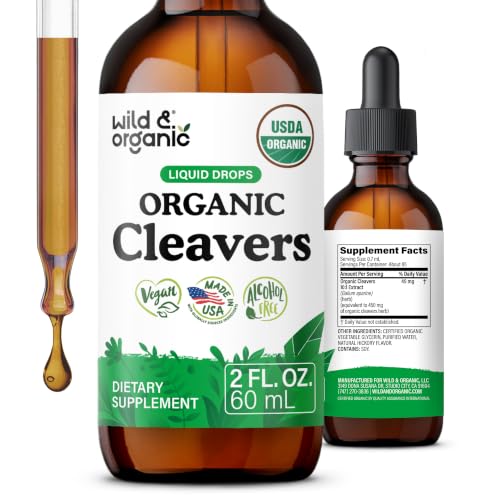
Wild & Organic Cleavers Lymphatic Drainage Drops
Dose stated on labelAlcohol-freeUSDA Organic
If you’d like to try a lymphatic drop alongside movement and other self-care, choose one with a clear label. Each serving gives 450 mg of cleavers with nothing else active, and it ranked #1 (BFN Score 9.6) in our guide to the best lymphatic drainage supplements.
“Lymphatic Detox”: Myth vs. Fact
| Claim | What the evidence says |
|---|---|
| “Your lymph is clogged with toxins” | Lymph carries fluid, proteins, fats and immune cells; there’s no test for “toxic lymph”1 |
| “Drops or teas flush your lymphatic system” | Not shown in any clinical trial |
| “Lymphatic drainage burns fat” | It may reduce fluid, not fat |
| “Dry brushing unclogs lymph” | No clinical trials found |
| “Exercise helps lymph flow” | True: muscle movement drives lymph1 |
| “Lymphedema can be treated at home alone” | It needs a trained therapist and often compression34 |
When to See a Doctor
Get medical care urgently if you have2:
- Swelling in one leg, ankle or foot with no known cause
- Swelling that is sudden, severe, painful, red or hot
- Swelling with a fever or feeling shivery
- Swelling and diabetes
Call emergency services for swelling with shortness of breath, chest pain or tightness, coughing up blood or fainting2.
See your doctor for a lymph node that is hard, doesn’t move, is larger than about 2 cm, lasts more than about 4 weeks, or comes with fever or unexplained weight loss6. If you’ve had cancer treatment, report any new swelling, heaviness or tightness in an arm, leg or the chest early4.
Important: This article is for general information and isn’t medical advice. If you have swelling that doesn’t go away, a health condition or take medications, check with your doctor before trying new treatments or supplements.
Frequently Asked Questions
How can I improve my lymphatic drainage naturally?
What is the fastest way to drain lymph?
How do I know if my lymphatic system is blocked?
Does drinking water help lymphatic drainage?
Lymph is mostly water, and staying hydrated supports normal fluid balance, but drinking extra water hasn’t been shown to speed lymph flow.
Can you drain lymph nodes in your neck yourself?
How long does lymphatic drainage massage take to work?
In studies of lymphedema, treatment usually runs daily or several times a week for a few weeks3. For general puffiness, any effect is short-lived.
Is lymphatic drainage massage safe?
For most people, yes, when done gently. Therapists usually avoid it during an active infection, with a blood clot or heart failure, or over untreated cancer, so ask your doctor first if any of these apply.
Final Verdict
The most effective ways to improve lymphatic drainage are free: move every day, breathe deeply, raise swollen legs, avoid long periods of sitting or standing, and watch your salt intake12. If you have lymphedema, see a certified lymphedema therapist for manual lymphatic drainage and compression34. Treat supplements, dry brushing and gua sha as optional extras with little evidence, and get any one-sided, sudden or painful swelling checked right away. For products, see our guides to lymphatic drainage supplements and lymphatic drainage supplements for women.
Sources & History
References
- Introduction to the Lymphatic System — National Cancer Institute SEER Training Modules
- Swollen Ankles, Feet and Legs (Oedema) — NHS
- Manual Lymphatic Drainage for Lymphedema Following Breast Cancer Treatment — Cochrane Database of Systematic Reviews, 2015
- Treatment for Lymphedema: Complete Decongestive Therapy — OncoLink
- Weightlifting Does Not Appear to Increase Risk of Arm Swelling for Breast Cancer Survivors (JAMA, 2010) — EurekAlert!
- Swollen Lymph Nodes — MSD Manual Consumer Version
- Lymphedema — Cleveland Clinic
Update history
- Published: evidence-based guide to improving lymphatic drainage, covering movement, breathing, compression, manual lymphatic drainage, strength training, lymphedema care, popular tools and supplements, and warning signs.